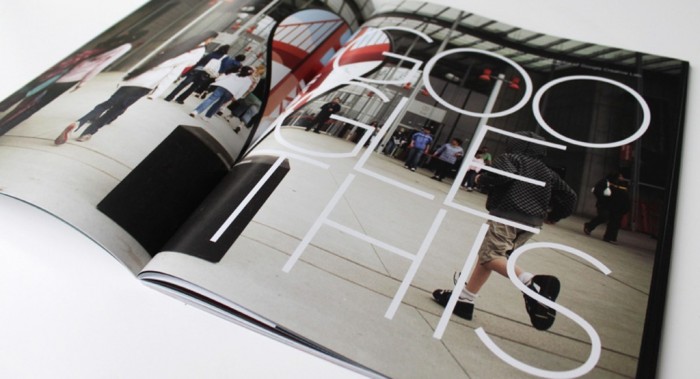
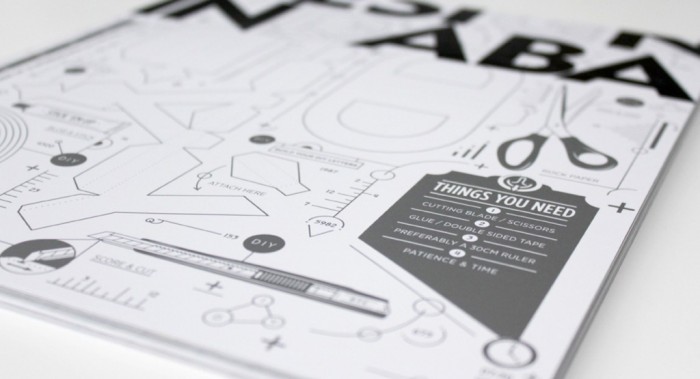
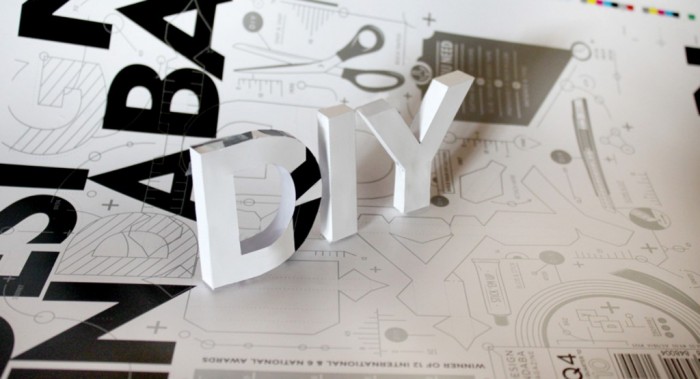

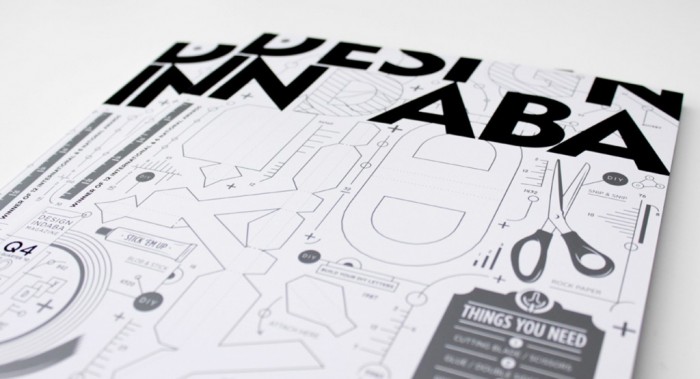






DIY is not only cool, it’s also crucial for the sustainability of our planet. The latest edition of Design Indaba magazine imagines a near future of post-consumerism where, through collaboration, a creative economy determines our quality of life and reduces our reliance on non-regenerative resources.
Looking to design thinking that improves education, builds communities and promotes citizenship, Kiran Bir Sethi talks about how she’s working to revolutionise school education in India. Meanwhile, in the USA, Emily Pilloton is using scalable design solutions to nurture creativity and improve the lives of communities in one of the poorest regions in rural America.
Bicycles are peaking on the design radar and Sean O’Toole examines the renewed popularity of this eco-friendly mode of transport. Another trending design field, game design relies on intensive collaborations and open source possibilities, writes Michael Edwards.
Open source everything is a key characteristic of a creative economy. Afronaut and entrepreneur Mark Shuttleworth talks about the final frontier of open source software, and the role design plays in spreading it to the masses. One of the key drivers of the Google Creative Lab, Robert Wong, attempts to explain the Google phenomenon by comparing it to breathing air.
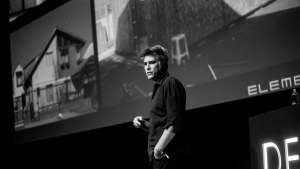
Also read about Alejandro Aravena’s social housing initiatives and his commitment to employing architecture as a way of promoting social welfare in Chile. Back in South Africa, Malcolm Worby teaches people to build energy efficient mud brick houses.
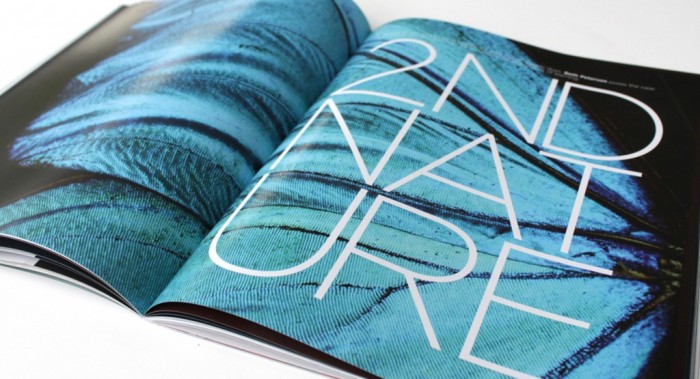
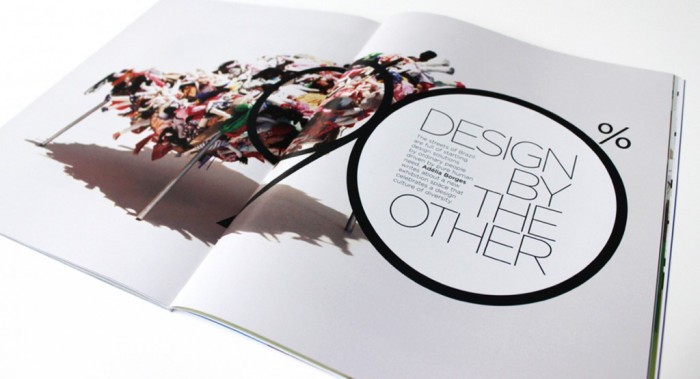
Adélia Borges looks to the streets of Brazil for design solutions, by ordinary people, resulting from desperate need. And Beth Peterson looks to the discipline of biomimicry as a natural guideline for sustainability, in nearly all spheres of life.
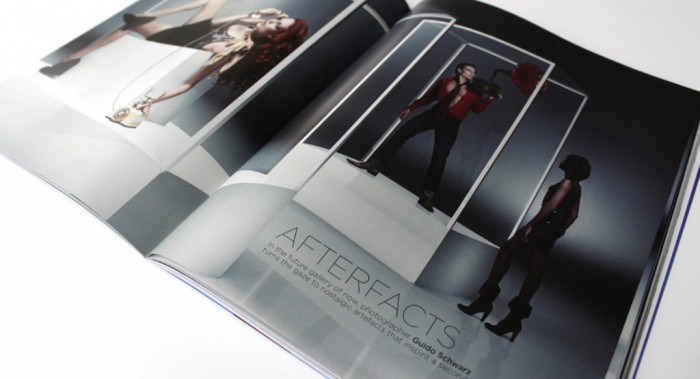
The regular design snippets and book reviews cover everything from Anton Kannemeyer and the London Design Week, to a Mexican designer that turns guns into useful garden implements. And of course, a photoshoot that gazes to the nostalgic artefacts of a second life.
Design Indaba Q410 “Do It Yourself” is on sale now. It’s available at selected Exclusive Books, Woolworths and other stockists, or online.
Watch the Talk with Alejandro Aravena