First Published in




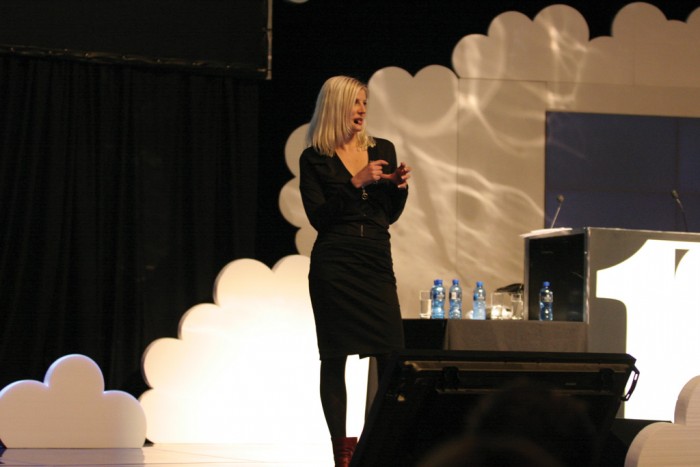
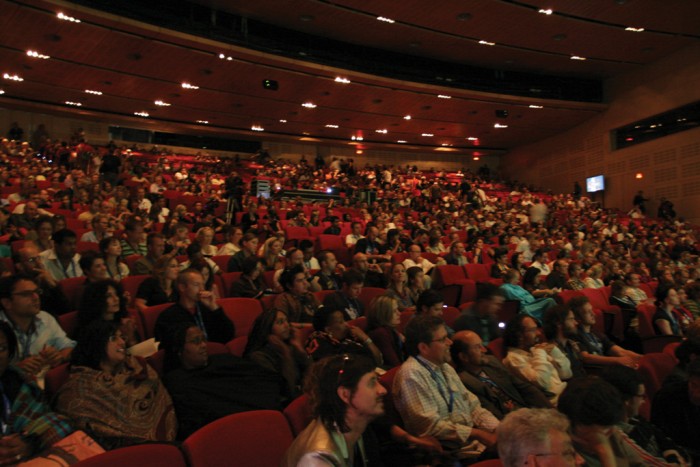
"Articulate what you have to offer the world," declared Alistair King, head of advertising agency King James RSVP and opening speaker at the three-day conference. And the stellar cast that followed him showed they could deliver well-designed solutions, whether the challenge was social, corporate or industrial.
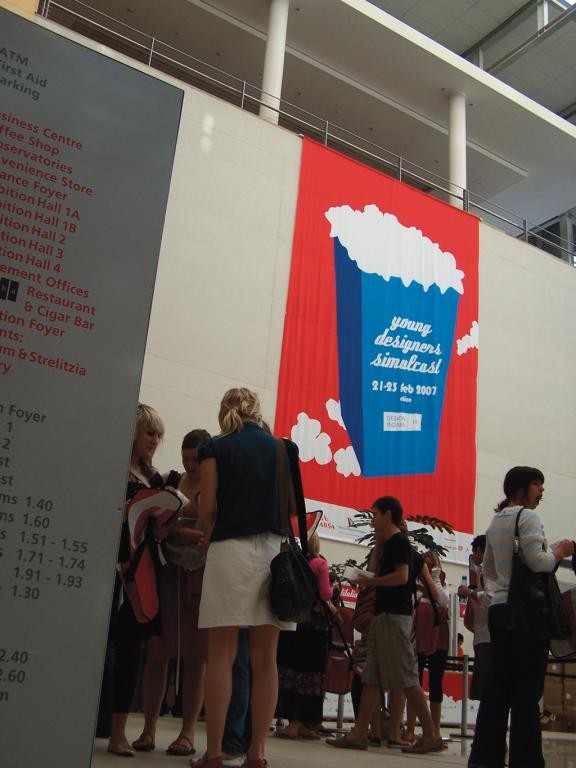
This year celebrated a decade of design, and the cast of graphic and product designers, architects, a trend forecaster, a cartoonist, a futurist, an artist/musician, an MIT scientist and a business school dean were at the top echelons of their professions. They were united by a common thread that better solutions could be found; they simply had to be designed.
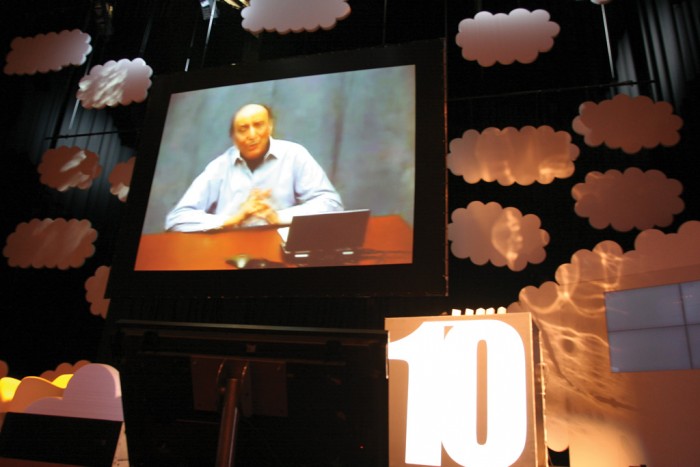
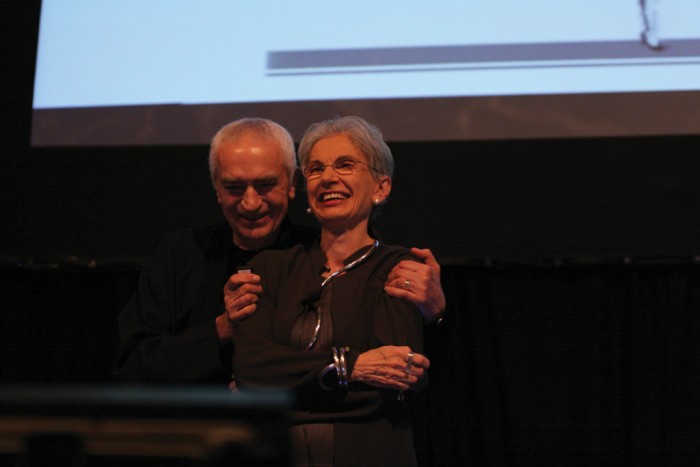
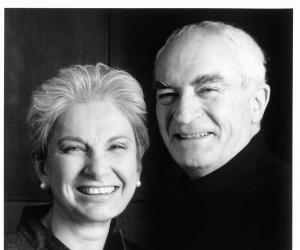
Two key speakers, Milton Glaser and Massimo Vignelli, are both in their 70s, and have been contributing to design for a collective century. Their iconic designs have seeped into the national consciousness, for example Glaser's I [heart] NY and Vignelli's New York subway map and American Airlines logo. Both are still at the forefront of their careers, and playing their part in making the world a better place. Glaser, for example, gave each delegate a copy of his new poster encouraging greater involvement in ending the strife in Darfur.
Second-day speaker Roger Martin, Dean of the Joseph L. Rotman business school in Toronto, commented on the two doyens in a report for Business Week: "They don't confuse what they presently see with reality, and therefore don't see the present state of a thing as immutable."
Glaser and Vignelli were also at ease with the ambiguity, difficulties and complexities that are part of the true creation process, said Martin. Experiences of working on great projects for great clients "reinforce and deepen the productive view of seeing the world as full of ambiguous and conflicting models that can be leveraged for insights that can be used to create wonderful new designs".
Positively impacting the planet
Anyone still mistakenly thinking that design is superficial or shallow were in for a wake-up when they heard international speakers of the calibre of Cameron Sinclair, the co-founder of Architecture for Humanity, and Professor Neil Gershenfeld, the Director of the Massachusetts Institute of Technology's (MIT's) Center for Bits and Atoms.
Gershenfeld's unique laboratory investigates the relationship between the content of information and its physical representation, from molecular quantum computers to virtuosic musical instruments. Technology from his lab has been seen and used in settings including New York's Museum of Modern Art and rural Indian villages, the White House/Smithsonian Millennium celebration and vehicle safety systems.
Cameron Sinclair is the co-founder of Architecture for Humanity, a charitable organisation that promotes architecture and design solutions to humanitarian crises and provides design services to communities in need. Fortune magazine named Sinclair one of "seven people changing the world for the better" in 2004 and more recently, he was named one of three winners of the 2006 TED Prize, which honours visionaries who "positively impact life on this planet".
"Design matters. It always does. Dignified and honourable structures are what make people feel proud," said Sinclair, who presented at both the main plenary as well as the Architecture Indaba, where he spoke alongside Jo Noero and Lindy Roy.
And writer, editor and futurist Alex Steffen has said: "We find ourselves facing two futures, one unthinkable and the other currently unimaginable. My beat is looking for ways to create a future which is sustainable, dynamic, prosperous and fair – a future which is both bright and green."
Carbon standard
For the second year running, the Design Indaba Conference formed a Carbon Standard consortium with partners to match the carbon load impact such an event has on the environment.
The Carbon Standard calculates the amount of carbon produced by an individual, company or event as well as the number of trees that need to be planted in order to compensate for it; hence the term "carbon-neutral". In collaboration with Food and Trees for Africa (FTFA), Design Indaba has committed itself to planting 2 000 trees to reduce the environmental impact of the conference while simultaneously greening disadvantaged communities.
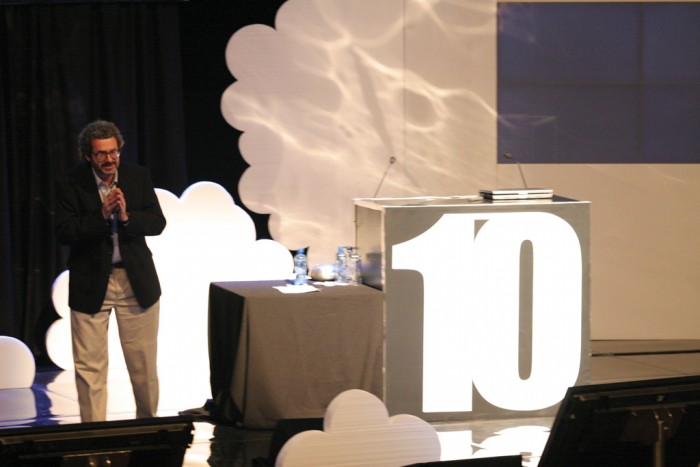
Five hundred of these trees will be planted on the Design Indaba 10 x 10 Housing Project sites – the latest undertaking by Design Indaba, where at least 10 disadvantaged Western Cape families are to receive homes designed by leading South African and international architects. The initiative marks the 10th edition of the Design Indaba Conference.
With the compliments of Toyota SA, speakers at the conference were whisked to and from the Cape Town International Convention Centre in eco-friendly cars with hybrid engines.