INSPIRE / SHOWCASE

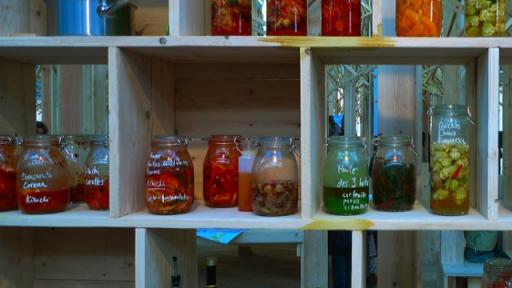
The Lucky Mi Fortune Cooking project is a mobile truck that collects food nearing their supermarket sell-by date and uses it in culinary experiments.
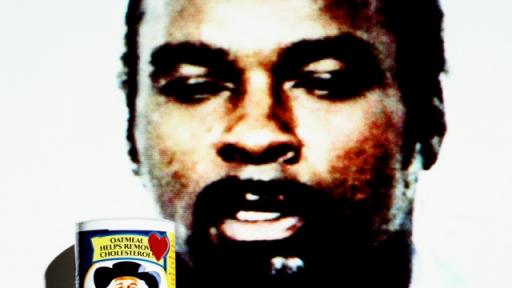
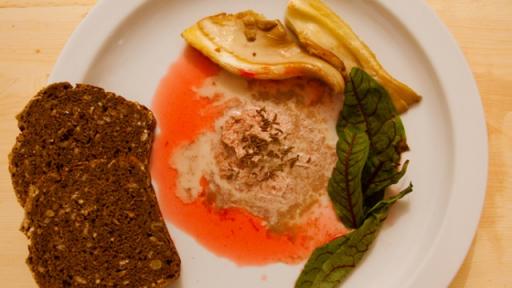
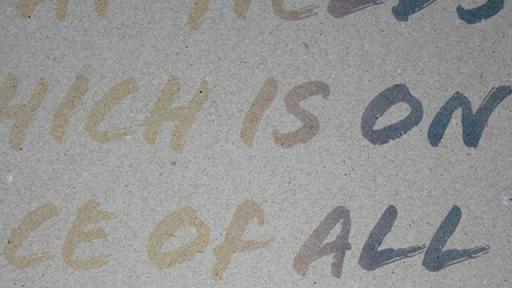
The Last Meal project looks at the last meal prisoners on death row chose to have.
Photo: Jannes Frubel.
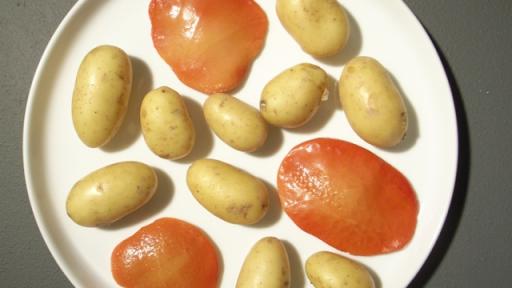
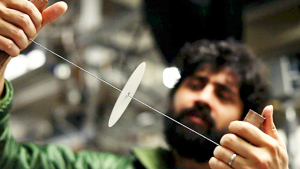
Is it silk, or could it be milk? Anke Domaske has created a new material from milk protein.
The Chronic Facility is an alternative system for treating people with chronic disease.
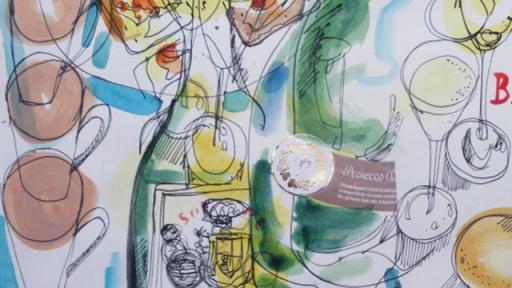
Using acrylic, collage, watercolour, ink and pen, illustrator David Meldrum documented everything he ate for a year.
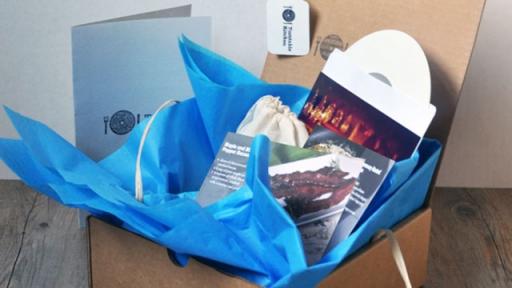
Every month Turntable Kitchen sends their subscribers a "Pairings Box" of recipe and music combinations to try at home.
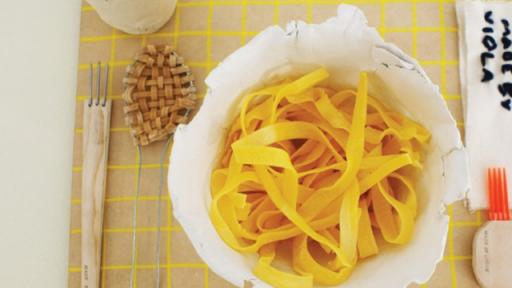
Arabeschi di Latte is a group of Italian women designers who use design concepts and food to explore situations and relationships.
Lucy and Jorge Orta's 70 x 7 The Meal takes its cue from an ancestral ritual and encourages networking, socialising and discussions around food.
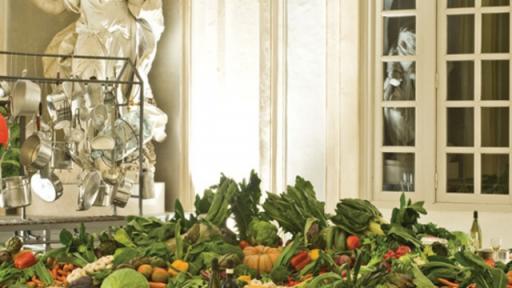
The Wonderwater Cafe was a pop-up restaurant that aimed to raise awareness about global water issues.
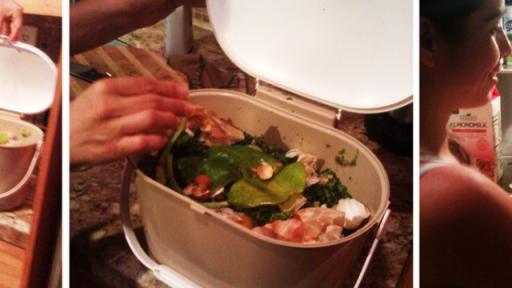
Compost Mobile is a Miami-based initiative that collects household food scraps and turns it into compost for community gardens.
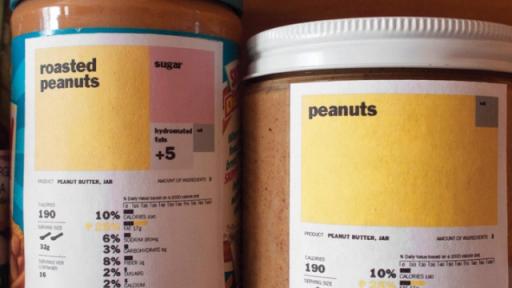
Renée Walker's food labels rethink how we receive nutritional information.
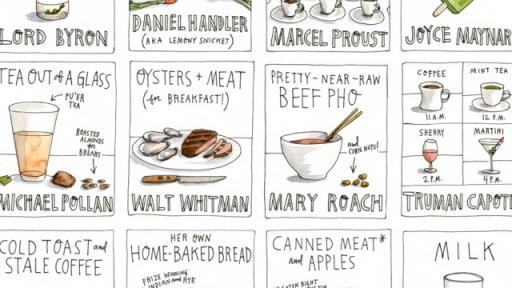
Espresso for Marcel Proust, vinegar for Lord Byron, milk for Franz Kafka and other ingredients of good writing.
Photo: Steph Goralnick.
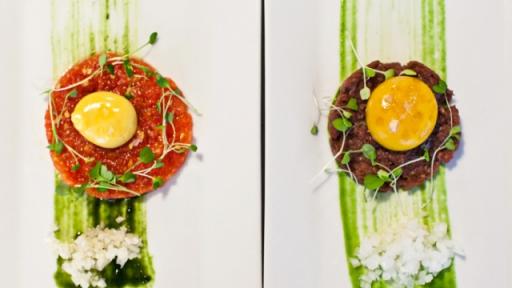
Can a vegetarian and an omnivore share the same meal without compromise? The Doppelganger Dinner makes it almost possible,
Speculative designer James King considers what the meat of the future might like look.
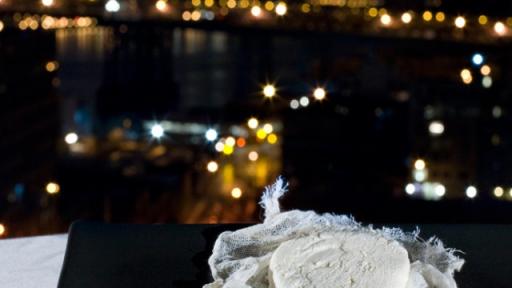
Cheese made from human breast milk comments on the lack of self-reflection in food design.
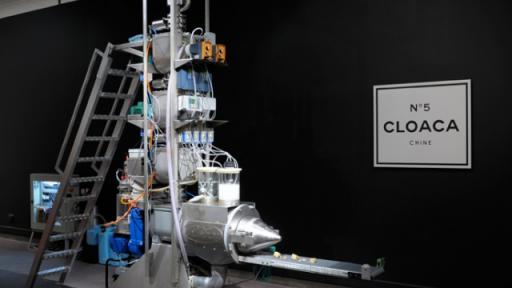
What is really useless? How about the Cloaca machine that turns food into faeces?
Tuur van Balen's "Cook Me: Black Bile" is a recipe for controlling feelings of melancholy.
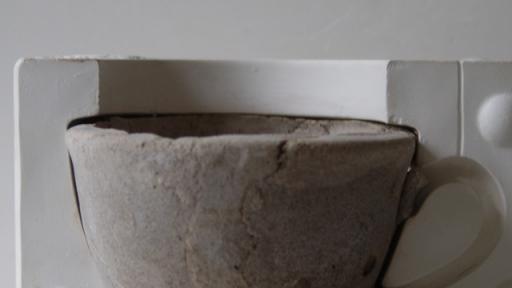
Flour, coffee, cocoa and salt are some of the ingredients used in Formafantasma's Baked collection of containers.
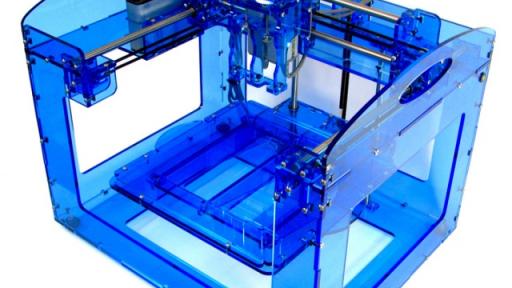
If you can print fashion and furniture with 3D printing techniques, it follow that we should also be able to print food. The Fab@Home project investigates.
Graphic designer John Jansen created a range of organic inks by using the juice of vegetables like carrots, spinach and red cabbage.

More Showcases

Showcase
Calling all book lovers! Take a look at this collection of interesting and alternative bookcases.
Showcase
Looking back at some of the highlights of the 2011 Milan Design Week when the International Furniture Fair celebrated its 50th anniversary.

Brain food

A vegetarian butchery, cheese made from human breast milk, a 3D food printer and a machine that turns food into faeces, food design is fascinating.
Topic: 

There are two neurobiological mechanisms that make us eat, one driven by need and the other by desire.

Based in the brain’s hypothalamus, the need to eat is sparked by metabolic messages from the digestive system.

The desire to eat, however, is controlled by higher brain centres such as the dopamine reward system. When food with high calories counts is taken in, the nucleus accumbens part of the brain is flooded with dopamine, thus increasing the eater’s pleasure.

Often the dopamine rewards system overrides the hypothalamus, which is why we carry on eating tasty food, even when we’re not hungry. 

The Lucky Mi Fortune Cooking project is a mobile truck that collects food nearing their supermarket sell-by date and uses it in culinary experiments.

The Last Meal project looks at the last meal prisoners on death row chose to have.
Photo: Jannes Frubel.

Is it silk, or could it be milk? Anke Domaske has created a new material from milk protein.

The Chronic Facility is an alternative system for treating people with chronic disease.

Using acrylic, collage, watercolour, ink and pen, illustrator David Meldrum documented everything he ate for a year.

Every month Turntable Kitchen sends their subscribers a "Pairings Box" of recipe and music combinations to try at home.

Arabeschi di Latte is a group of Italian women designers who use design concepts and food to explore situations and relationships.

Lucy and Jorge Orta's 70 x 7 The Meal takes its cue from an ancestral ritual and encourages networking, socialising and discussions around food.

The Wonderwater Cafe was a pop-up restaurant that aimed to raise awareness about global water issues.

Compost Mobile is a Miami-based initiative that collects household food scraps and turns it into compost for community gardens.

Renée Walker's food labels rethink how we receive nutritional information.

Espresso for Marcel Proust, vinegar for Lord Byron, milk for Franz Kafka and other ingredients of good writing.
Photo: Steph Goralnick.

Can a vegetarian and an omnivore share the same meal without compromise? The Doppelganger Dinner makes it almost possible,

Speculative designer James King considers what the meat of the future might like look.

Cheese made from human breast milk comments on the lack of self-reflection in food design.