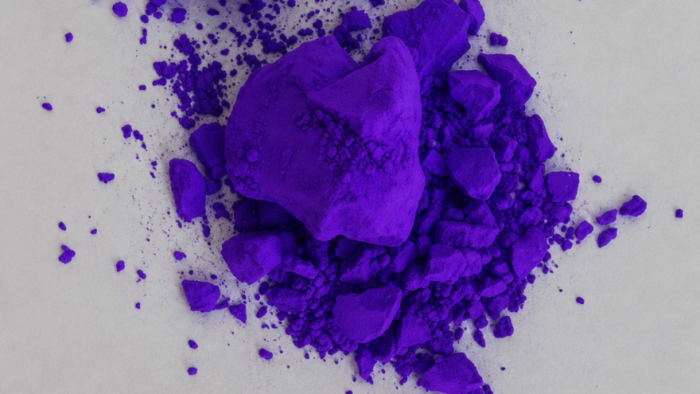
Researchers from Zhengzhou University and the University of Adelaide are pioneering a new textile that has the ability to remain cool under direct sunlight. The experimental fabric uses microscopic fibres containing a purple metal-organic framework (MOF) alongside zinc oxide nanoparticles that work together to manipulate how the textile interacts with sunlight and heat. The materials give the fabric its colour while reflecting an average 87.6% of solar radiation, emitting 96.4% of mid-infrared radiation, allowing heat to be diffused into the atmosphere. In outdoor testing, the fabric remained 4.2°C cooler than commercial white cotton and 6.2°C cooler than conventional purple cotton. When placed over simulated skin, it produced a cooling effect of up to 8°C compared with uncovered simulated skin.
Along with its thermal performance, the fabric has been designed for everyday wear. It is lightweight and flexible, allowing water vapour to escape. It also demonstrated strong water repellency and UV resistance. The textile has been tested to retain its properties through daily use, which showcased retention of its cooling effect after 50 washing cycles.
As a result of the textile cooling effect being achieved by engineering, researchers are optimistic that similar approaches could eventually create effective cooling textiles in a much broader palette of colours. It could become a form of passive climate technology, combining textiles, colours and thermal performance as a cooling process without consuming additional energy.