
In the pursuit of a more sustainable fashion industry, manufactures are searching for cleaner alternatives to one of the most energy intensive and resource depleting stages in the fashion supply chain - the textile dying process. Although every garment begins with fibre, its colour often comes at an enormous environmental cost. Conventional textile dyeing consumes vast quantities of water, relies heavily on petrochemical-based synthetic dyes and generates an estimated 20% of the world's industrial wastewater. Oxman, New York-based design and technology company, responds to the challenge with an experimental project that considers ‘what if fabrics could grow their own colour?’.
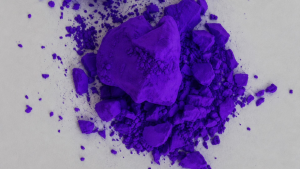
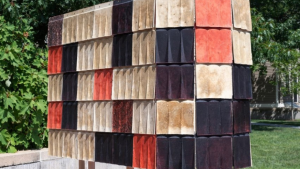
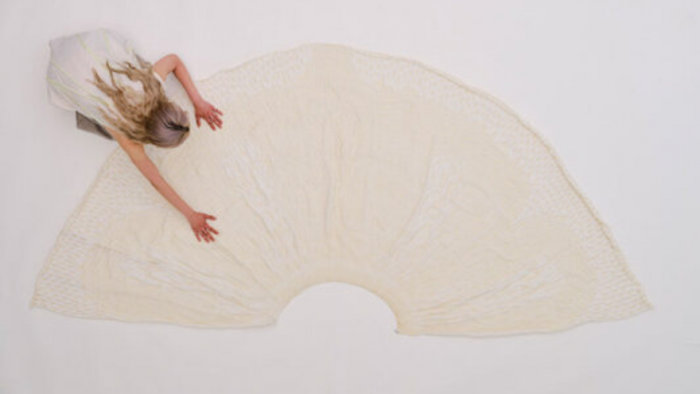
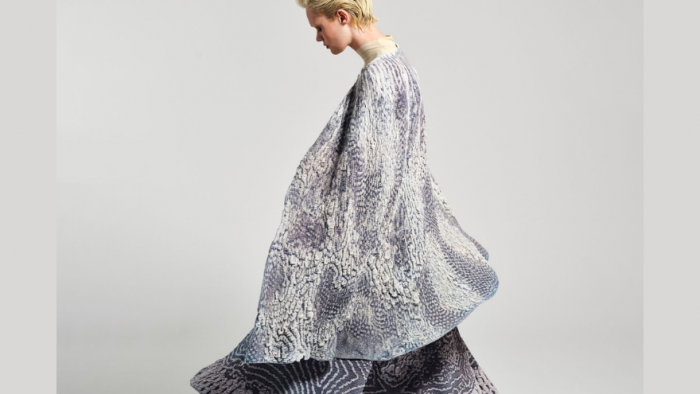
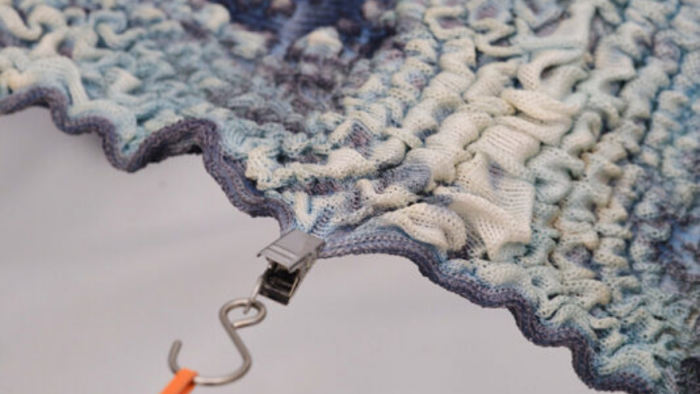
OXMAN’s project ‘Vigils’ explores replacing conventional dyeing with living, pigment-producing bacteria. Rather than applying colour after a textile has been manufactured, the bacteria are cultivated directly onto knitted fabrics, where they generate natural pigments as they grow. Colour is no longer a finish applied to the surface, it becomes an intrinsic part of the material itself. The project draws inspiration from biological systems, where colour emerges through growth rather than manufacturing. From butterfly wings and flower petals to berries and animal markings, nature produces colour through living processes. OXMAN extends this principle to textiles, treating micro-organisms as collaborators in the design process.
The approach reflects founder Neri Oxman's evolving philosophy of Nature-Centric Design, in which living systems actively participate in manufacturing rather than simply inspiring it. Vigils remains an experimental project, but points towards a future in which biology could replace some of fashion's most extractive processes. By integrating colour production into material growth, the project eliminates the need for separate dye baths and hints at textile systems that are more closely aligned with natural cycles. The goal is to redesign production itself as a regenerative, living system in which the most sustainable palette may be one grown by nature's smallest collaborators.